Analytical Chemistry

We develop analytical methods for parent active substances and metabolites for different matrices
Analytical Chemistry
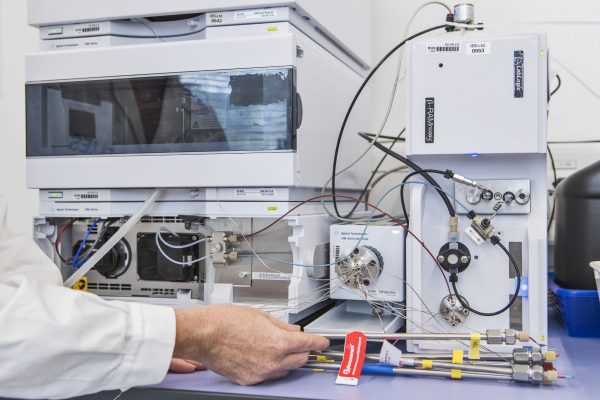
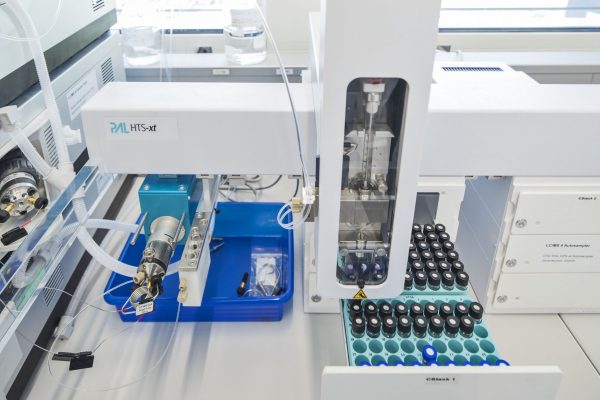
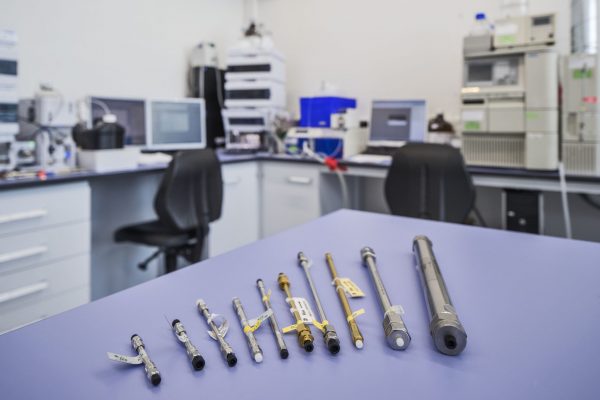
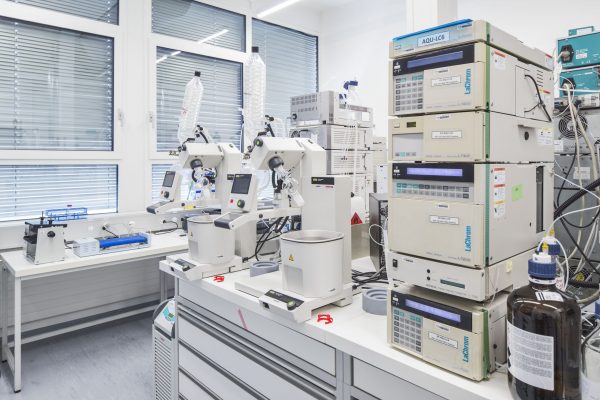
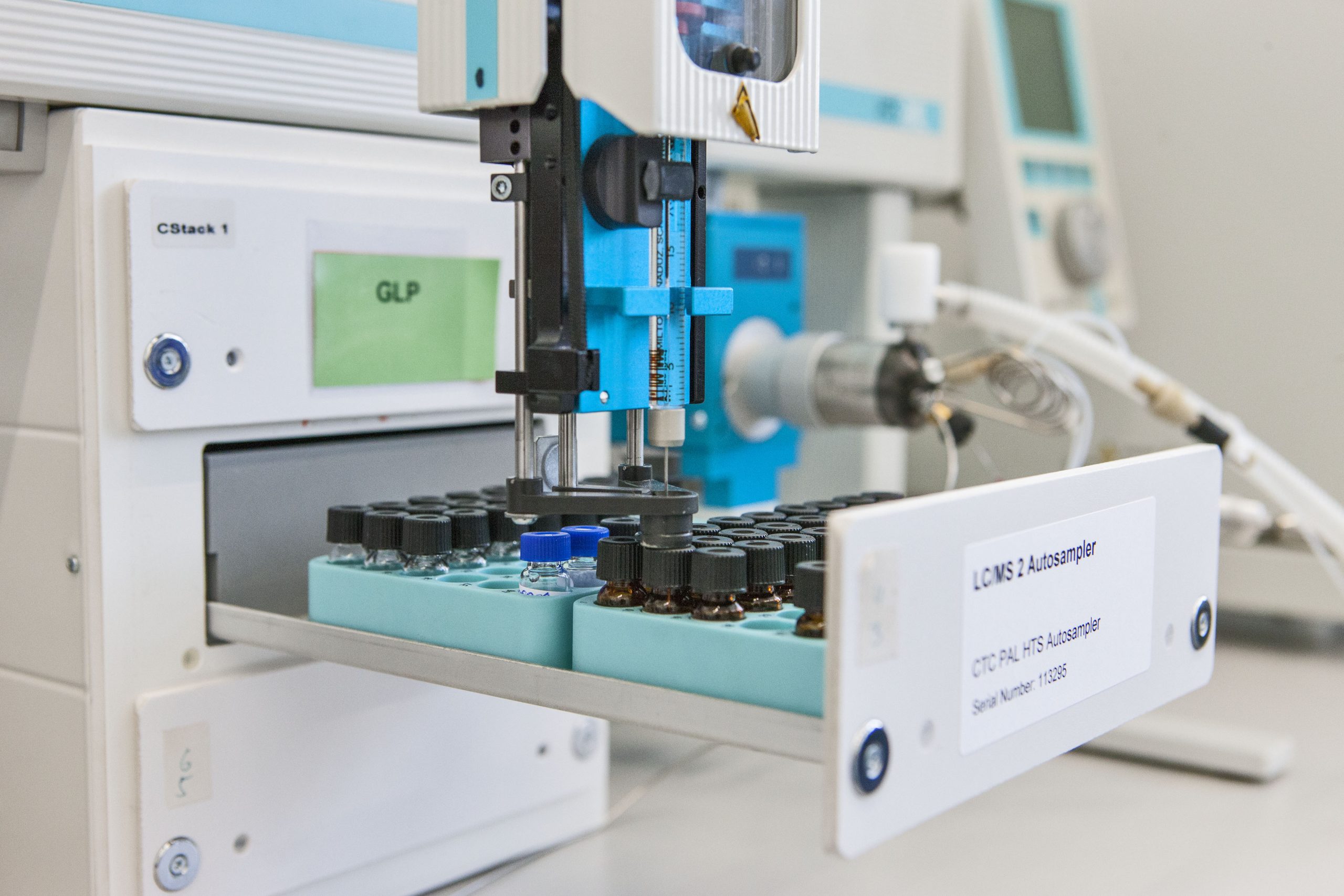
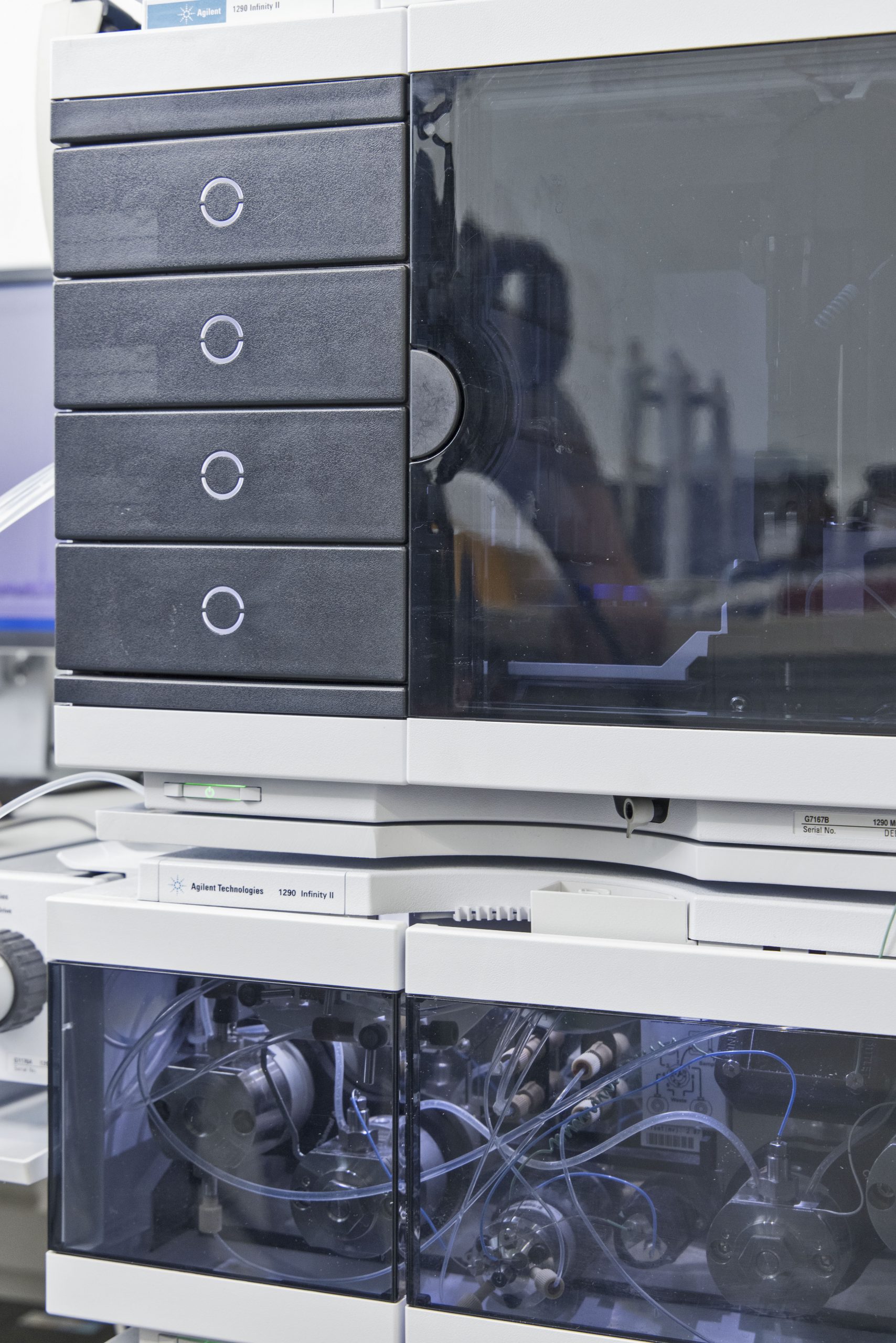
The analytical chemistry department at IES supports our other departments. Analytical techniques include thin layer chromatography (TLC), high-performance liquid chromatography (HPLC), liquid chromatography and gas chromatography coupled with mass spectrometry (LC-MS and GC-MS) with both low and high resolution mass spectrometric analysers.
Analytical Support
Our analytical chemistry team provides support for studies throughout the company:
- Method implementation, development and validation
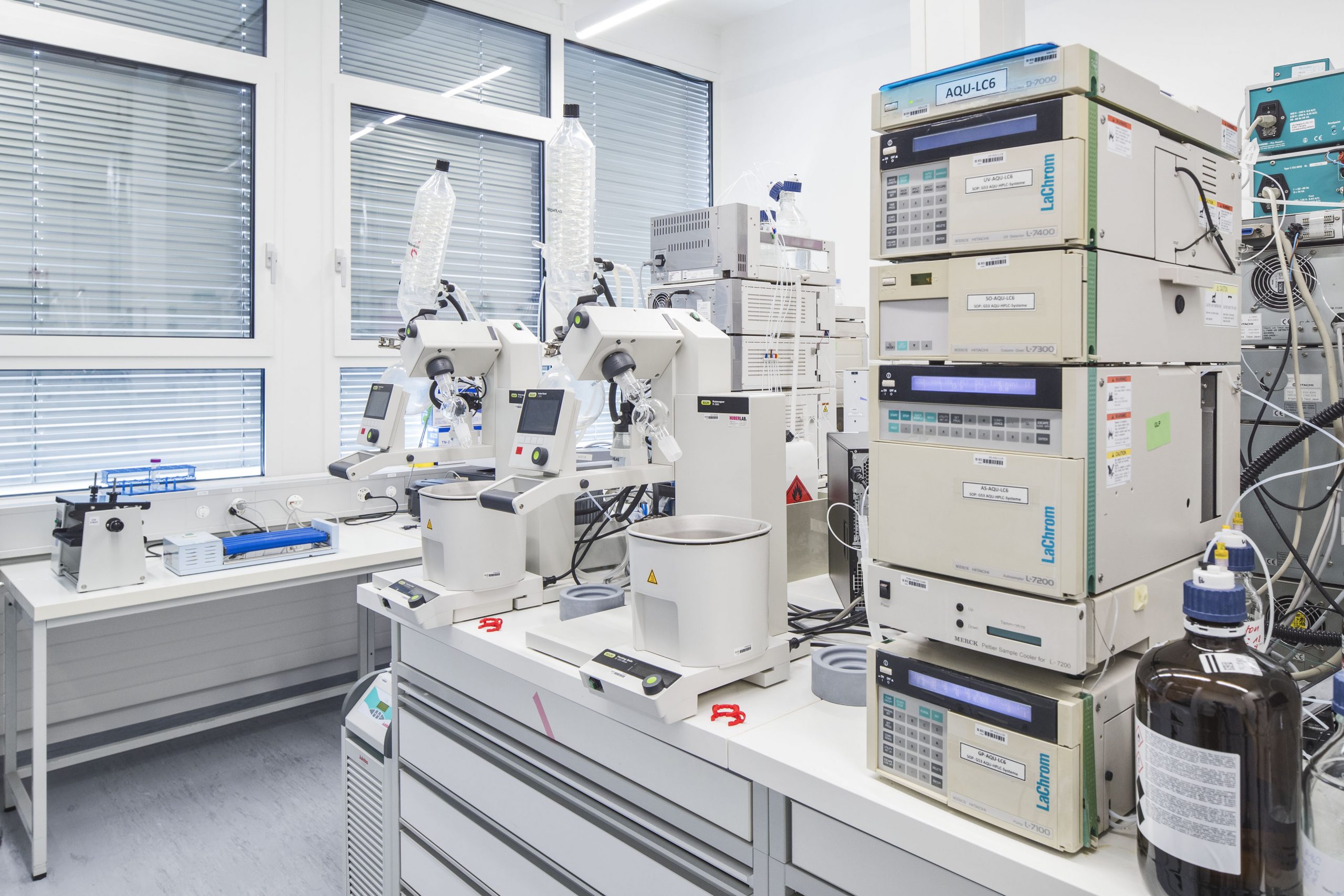
- HPLC analysis, provided with both on- and off-line radiodetection for the quantitation of radiolabelled test items and their metabolites.
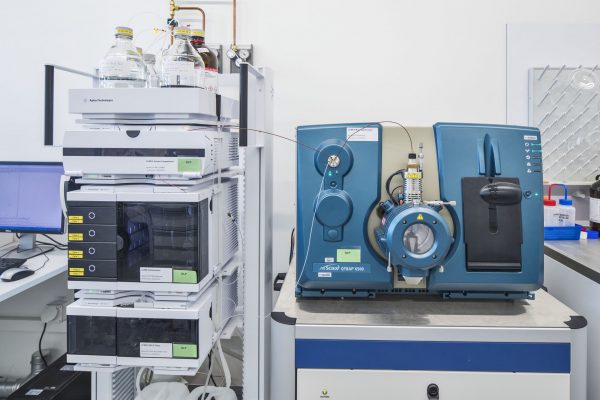
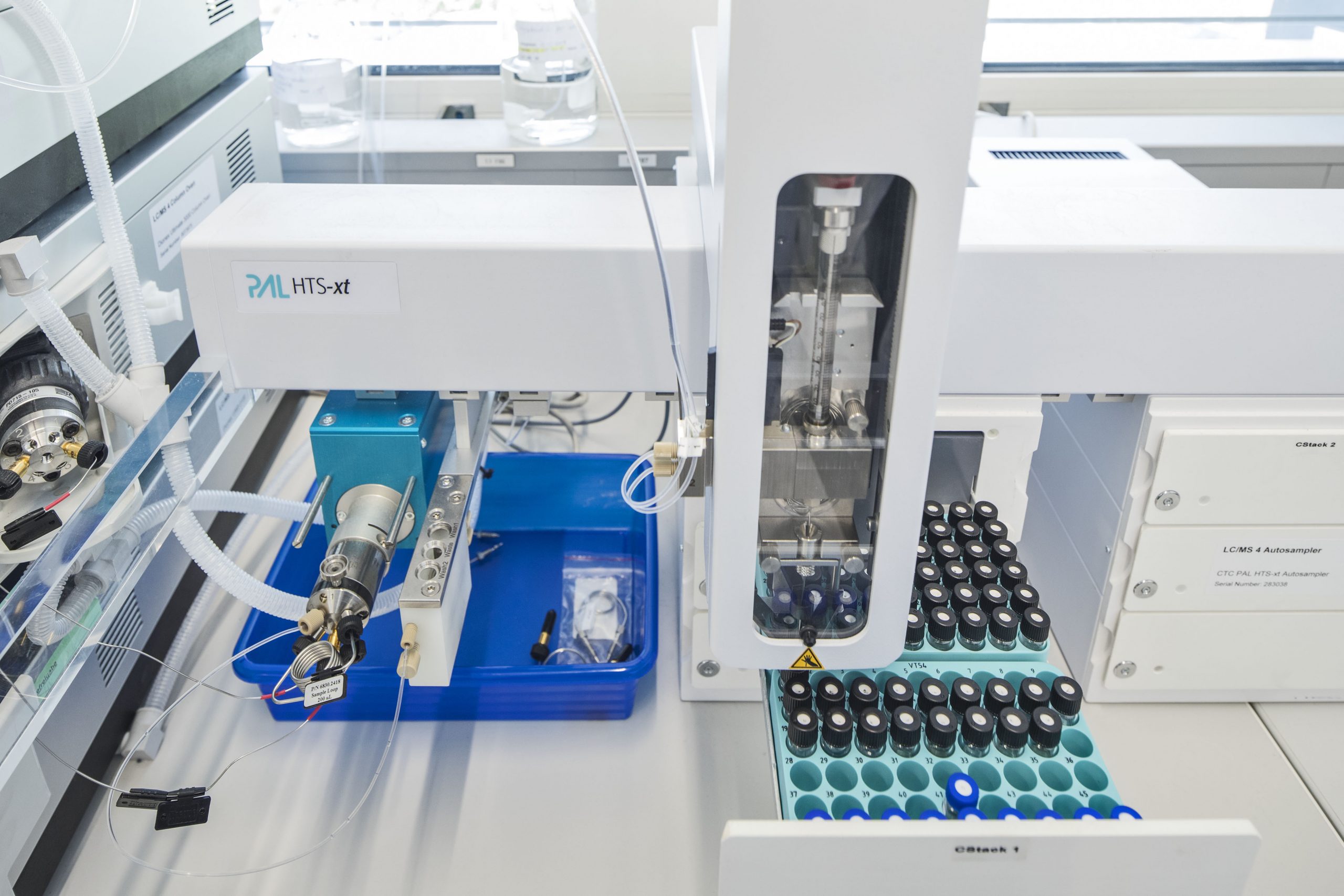
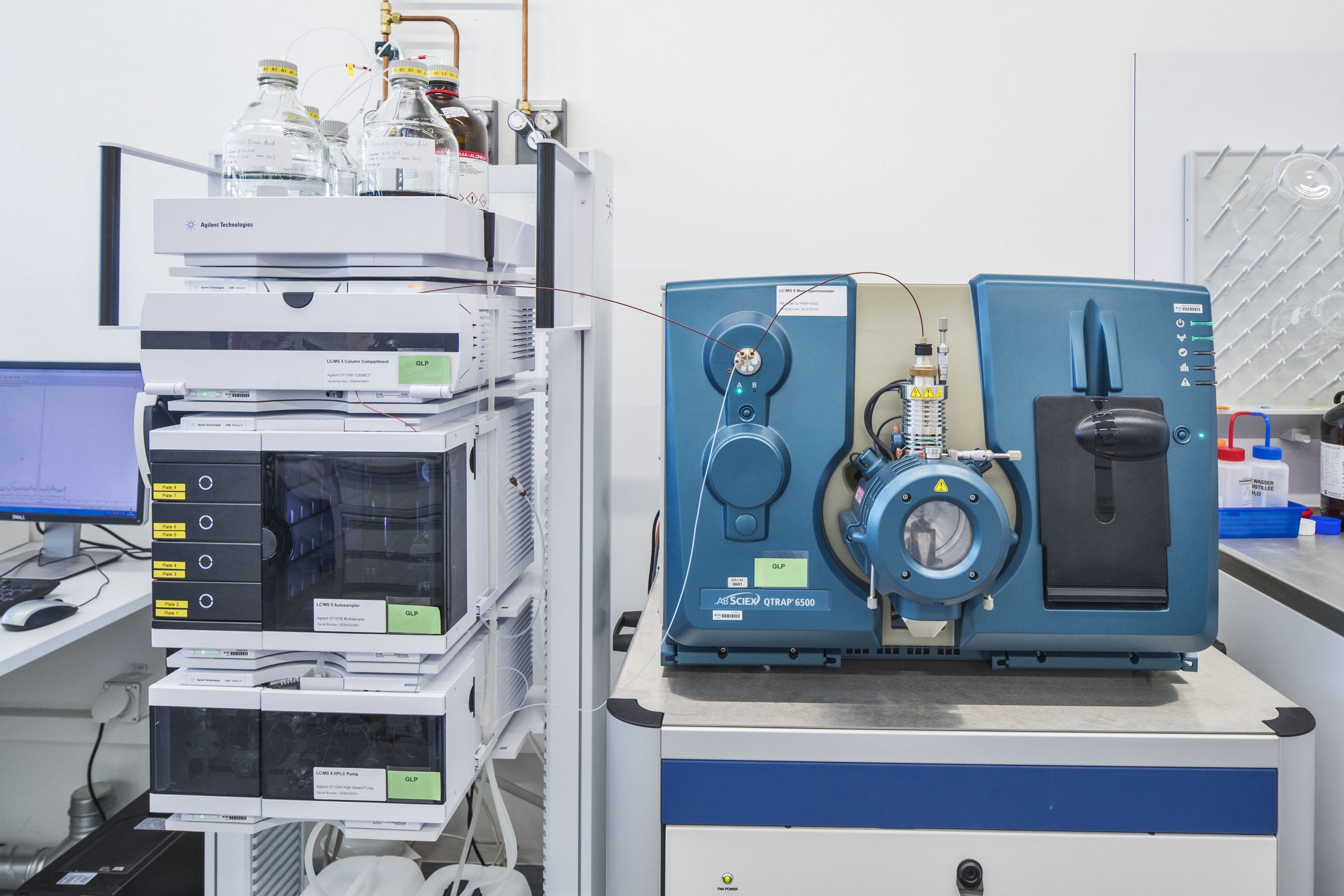
- Quantitative LC-MS analysis, performed using our state-of-the-art triple quadrupole instruments or if required using Q-Exactive Orbitrap.
- GC and GC-MS analysis
- Identification of unknown metabolites, done through close collaboration with our environmental fate and metabolism teams.
- Purification of radiolabelled test items.
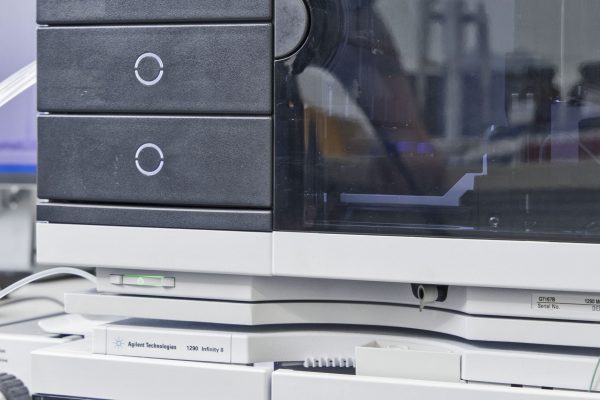
Our equipment includes various forms of HPLC with different detectors, HPLC/MS/MS (including a SCIEX QTRAP® 6500 and 6500+ and accurate mass ThermoFisher Q-Exactive), GC, GC/MS in EI, CI and NCI mode, preparative HPLC and further non-chromatographic equipment required for the tests.
Metabolite Identification
Our mass spectrometrists have more than 25 years of combined expertise in identifying metabolites in biological and environmental samples.
Analytical Chemistry
- Development and validation of analytical methods for active substances and metabolites in environmental and crop matrices
- Analytical support for ecotoxicological studies
- Freezer storage stability studies
Chemical and PhysicoChemical Characterisation
We provide physicochemical characterisation of chemical products through:
- Dose verifications for in-house ecotoxicology and environmental fate studies as well as for external partners
- Analytical Certification
- Stability studies
- Determination of partition coefficient (n-octanol/water) OECD 117 or 107 or 123.
- Determination of the adsorption coefficient OECD 121 (HPLC).
- Water solubility and solubility in organic solvents: OECD 105.
- UV-VIS absorption spectra: OECD 101
- Fat solubility of solid and liquid substances: OECD 116
- Hydrolysis as a function of pH: OECD 111